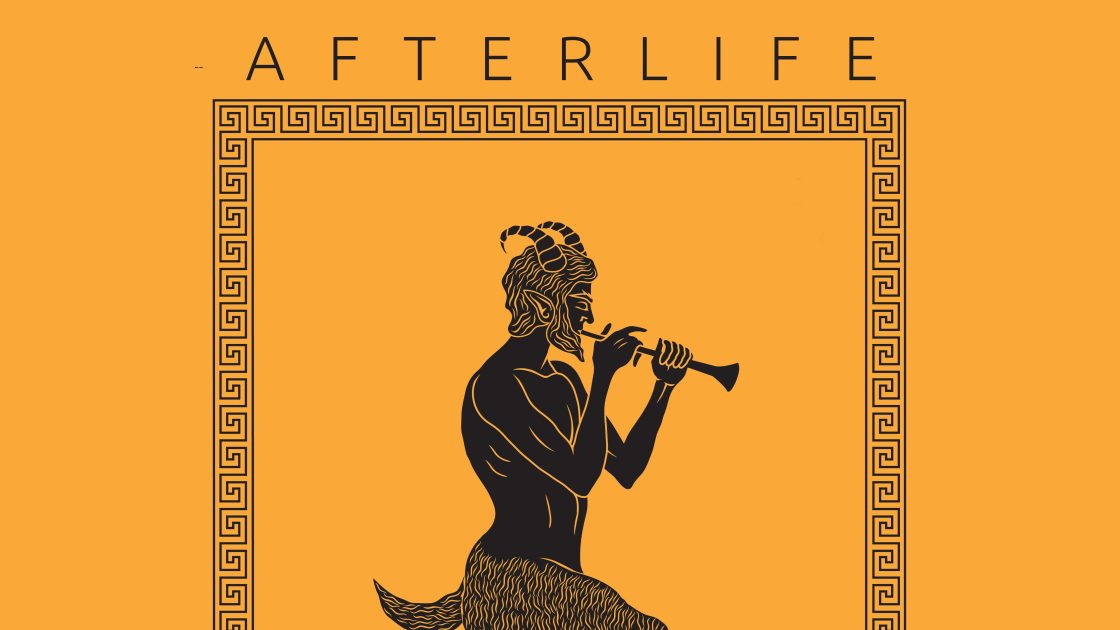
From the first Greek potters to modern fantasy writers, Pan has always slipped into creative work as the face of untamed nature. Ancient craftsmen shaped small bronzes of him mid-stride or leaning on his flute; vase painters caught him surprising travelers in lonely woods. Roman poets later made him a playful symbol of rural freedom and lust.
Centuries passed, yet Pan kept returning whenever people longed for the wild. Renaissance thinkers saw in him a spirit of creativity that lives outside city walls. Nineteenth-century poets heard his pipes in lonely forests and turned him into a muse for nature’s beauty and danger. Even today, his presence survives quietly: the very word panic recalls his sudden shout, while composers, novelists, and game designers use his image when they need a touch of wild music and unpredictable magic.”